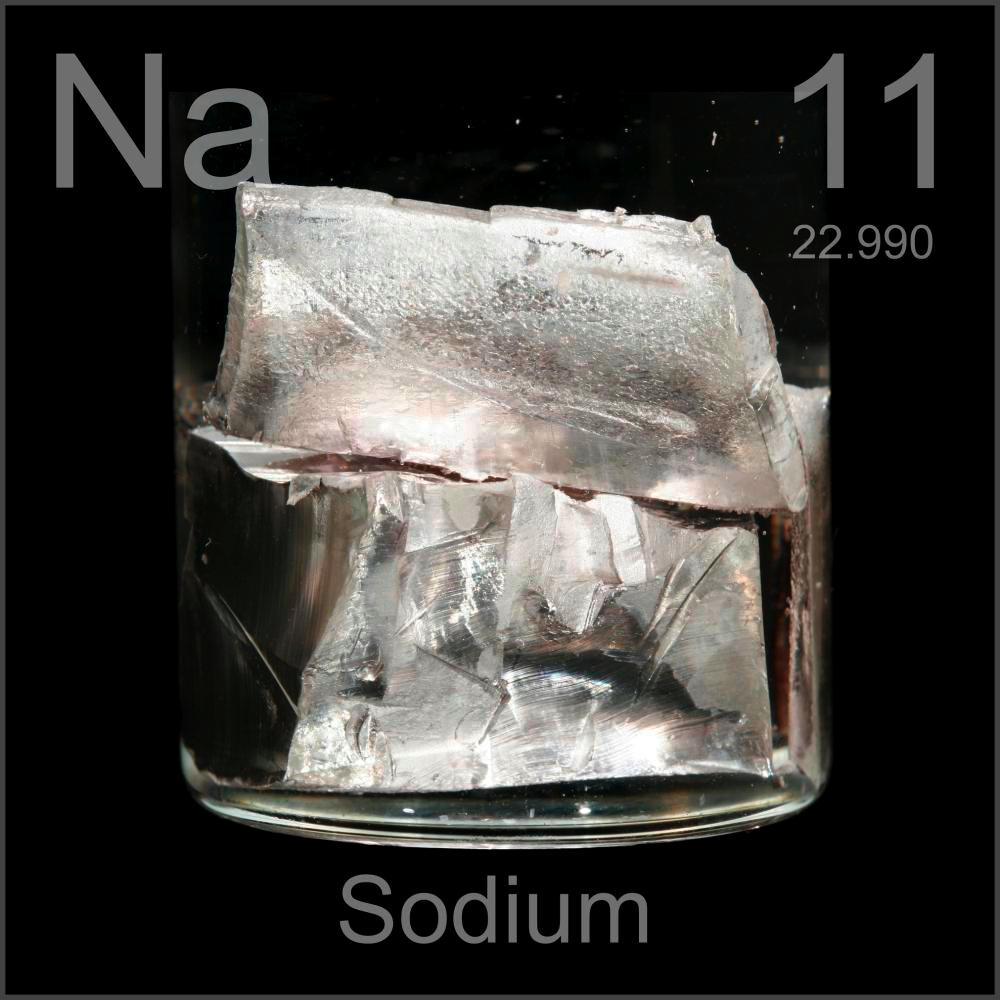
Sodium, one of the elements on the Periodic Table is essential for our bodies to function efficiently. It helps control blood pressure and blood volume. Sodium also assists our nerves and muscles.
Sodium is an ingredient found in most foods as it is a great preservative. It is also the main component of table salt (sodium chloride). Processed meats, such as bacon, sausage, ham, canned soups and vegetables are all examples of foods that contain added sodium. Fast foods are generally high in sodium.
Just as sodium is essential for our body, too much of it can be a problem too. Excessive sodium can cause high blood pressure and may even lead up to build up of fluid levels in the human body, leading to many diseases.
A healthy adult should ideally consume not more than 2,300 mg of sodium per day. Those with high blood pressure should have no more than 1,500 mg per day. Sodium in the diet (dietary sodium) is measured in milligrams (mg). So what does it translate to? Table salt is 40% sodium. So 1 teaspoon of table salt contains 2,300 mg of sodium. While ideal range for infants and children are unclear, it will be wise to keep their sodium intake low.
Unfortunately for us, added sodium sneaks into our daily diet in many ways that we least expect. The biggest challenge to regulate sodium intake is the lack of awareness of daily limits and where to look for that information. Learning to read food labels can be useful as they can tell us the amount of sodium in each serving. However, it is still our own problem to calculate from one meal to the next to make sure we are within limits. So it will be good idea to take a look at food labels and mentally calculate the sodium balance allowance that is still left for the day before gorging on the extra salty packet of saltines or chips!

Sodium was discovered by English chemist Sir Humphry Davy in 1807. He isolated sodium by applying electrolysis to caustic soda.

No comments:
Post a Comment